



Cyprus is often celebrated for its sun-soaked beaches and vibrant culture, yet its true treasures lie beyond the postcards—hidden in dense forests, sweeping valleys, rugged mountains, and coastal ecosystems alive with creatures found nowhere else in the world. As one of the Mediterranean’s biodiversity hotspots, Cyprus is home to an astonishing array of flora and fauna. From endemic orchids to sea turtles, from golden oak forests to migratory birds, the island holds a natural richness that deserves both admiration and protection.
But this beauty is delicate. Environmental pressures—from pollution and coastal development to climate change—threaten the fragile balance that sustains Cyprus’ wildlife. Understanding this natural heritage is the first step toward safeguarding it for generations to come.
Flora: Forests, Orchids & Wild Herbs
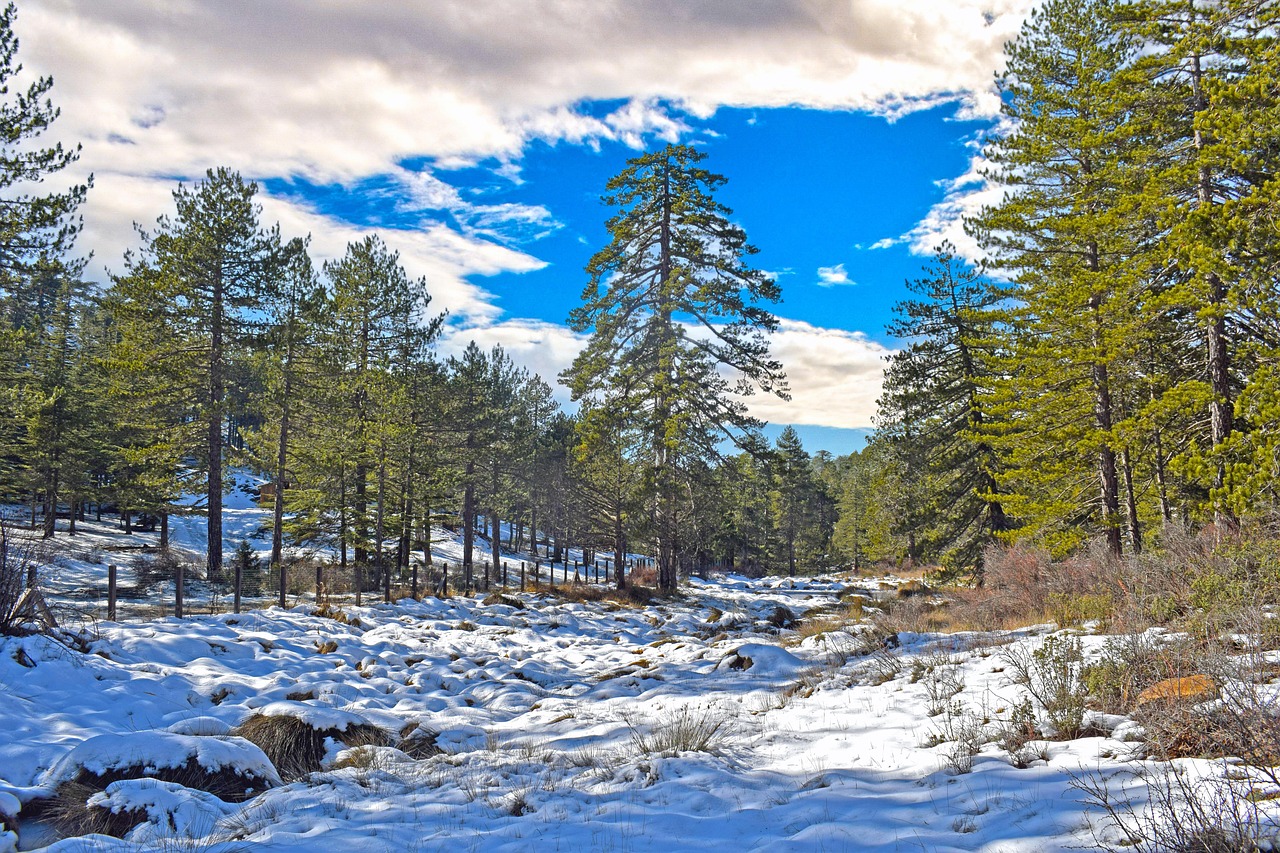
Cyprus’ landscapes paint a dramatic picture of diversity. The Troodos Mountains are covered in pine forests, golden oak trees, and unique flora that evolved in isolation. Among the island’s botanical gems are more than a dozen endemic orchid species, shy flowers that bloom in hidden meadows each spring.
The island’s wild herbs—thyme, oregano, sage, mint, and lavender—fill the air with fragrance and play a vital role in supporting bees and local pollinators. Carob and olive trees, symbols of Cyprus for centuries, dot the countryside and continue to anchor rural ecosystems. Even in dry, rocky areas, hardy species like juniper and mastic thrive, offering habitat and stability to fragile soils.
Cyprus’ flora reflects resilience. Yet many species face subtle threats: land clearing, invasive plants, and unpredictable weather patterns that disrupt blooming cycles.
Fauna: From Majestic Raptors to Tiny Endemics
Cyprus has long been a sanctuary for wildlife. Its location along major migratory routes makes the island a critical resting point for millions of birds each year. Flamingos gather in winter on the salt lakes; bee-eaters, hoopoes, and rollers add vibrant color to spring skies; and birds of prey like the Bonelli’s eagle and griffon vulture soar over mountain ridges.
The island’s mammals include the elusive Cyprus mouflon, a wild sheep found nowhere else on Earth, living in the remote Paphos Forest. At sea, green and loggerhead turtles return each summer to lay their eggs on protected beaches—one of Cyprus’ most extraordinary natural spectacles.
Smaller creatures—lizards, butterflies, rare freshwater fish, and endemic insects—complete the island’s ecological mosaic. Together, they form complex food webs essential for a healthy environment.
Endangered Species: On the Edge of Survival
While Cyprus remains rich in biodiversity, several species stand at a crossroads.
- The Cyprus mouflon, once nearly extinct, has recovered but still requires careful protection against habitat loss and illegal hunting.
- Griffon vultures, once abundant, now number only a handful and depend on conservation programs to survive.
- Sea turtles face threats from pollution, coastal development, and light pollution that disorients hatchlings.
- Wetland birds struggle as natural marshes shrink due to construction and water mismanagement.
Many lesser-known species—rare orchids, endemic plants, bats, reptiles—quietly battle against pressures that are often invisible to the casual observer.
Environmental Issues: The Challenges of a Changing Island
The beauty of Cyprus’ nature is undeniable, yet it is under increasing strain.
Pollution
Plastic waste, agricultural runoff, and untreated wastewater affect rivers, beaches, and coastal waters. Sea pollution especially impacts turtles, fish, and marine vegetation, disrupting fragile coastal ecosystems.
Coastal Erosion
Rapid development along the shoreline has altered natural sand movement, causing beaches to shrink and habitats to disappear. Erosion not only affects tourism but also endangers breeding grounds for coastal species.
Climate Change
Rising temperatures, reduced rainfall, and prolonged droughts are transforming Cyprus’ landscapes. Forests are more vulnerable to fires, wetlands dry out more quickly, and species dependent on seasonal cycles struggle to adapt.
Habitat Loss
Construction, road expansion, quarrying, and urban sprawl chip away at natural areas, fragmenting the land animals depend on for survival.
Conservation: A Shared Responsibility
Despite these challenges, Cyprus is home to passionate conservationists, researchers, volunteers, and organizations working tirelessly to protect its natural heritage. Turtle hatcheries, forest restoration projects, vulture reintroduction programs, marine conservation zones, and eco-education initiatives are helping to rebuild what has been damaged.
But conservation is not just the work of experts—it is a community effort. Simple actions, like reducing plastic use, supporting eco-friendly tourism, respecting wildlife habitats, and promoting local environmental groups, can make a meaningful difference.
A Call to Appreciate, Protect, and Reconnect
Cyprus’ wildlife and natural beauty are gifts—ancient, irreplaceable, and deeply woven into the island’s identity. The forests, the sea, the cliffs, and the creatures that inhabit them are not simply scenery—they are living stories that connect Cyprus to its past and shape its future.
As the island continues to evolve, its natural world needs champions more than ever. By raising awareness and protecting what remains, Cyprus can continue to be a place where wild orchids bloom, mouflons roam, turtles return to the sand, and migratory birds paint the sky each season.
Nature has always given generously. Now, it is our turn to give back.