



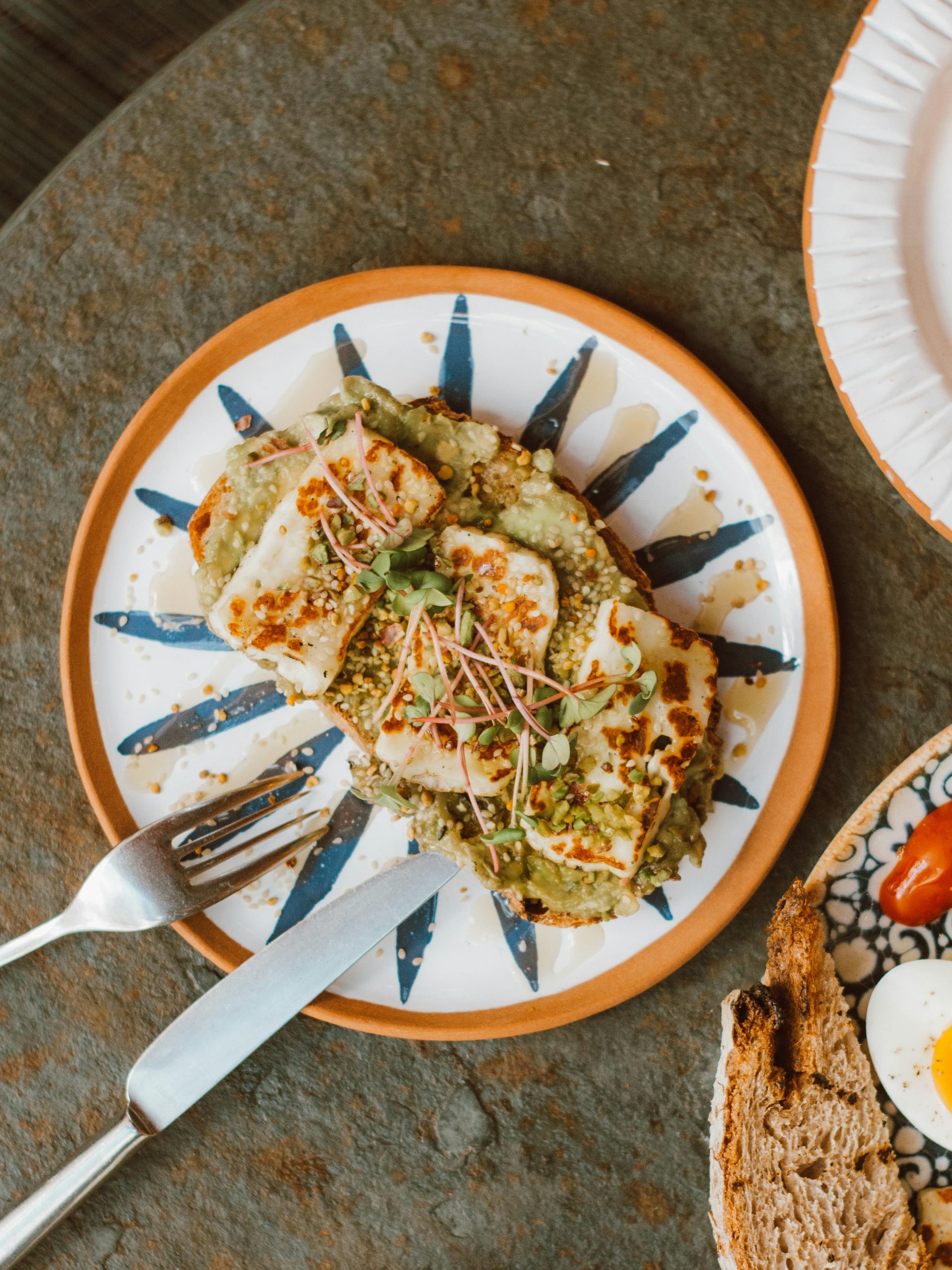
Cyprus is a country where food is more than nourishment—it is memory, identity, and a celebration of life itself. While dishes like halloumi, souvla, and sheftalia have long earned their place in the spotlight, Cyprus’ culinary landscape stretches far beyond the classics. In villages, markets, mountain kitchens, and family-run tavernas, another world of flavors thrives—one shaped by seasonal rhythms, old recipes, and the hands of artisans who keep tradition alive.
To explore this hidden side of Cypriot gastronomy is to understand the island from the inside out.
Street Food With a Story
In recent years, Cyprus has quietly built a vibrant street-food scene that blends tradition with creativity. Step into a food market or a late-night street corner, and you’ll find unexpected treasures:
- Loukoumades drizzled with carob syrup, a nod to the island’s once-thriving carob trade.
- Souvlakia reinvented, filled with local greens, spicy village sausage, or even mushrooms picked from the Troodos foothills.
- Koupes, the crunchy bulgur shells stuffed with spiced minced meat or vegan fillings—a Levantine heritage dish beloved across generations.
Each bite tells a cultural story—of trade routes, village kitchens, and family traditions carried through centuries.
Seasonal Produce: Cyprus’ Secret Ingredient
To understand Cypriot cuisine, one must first understand its seasons. The island’s farmers, many of them working on the same land for generations, still honor nature’s calendar.
Spring brings tender artichokes, wild asparagus, and fresh anari cheese. Summer bursts with watermelons the size of small barrels, sweet figs, and sun-kissed tomatoes. Autumn delivers grapes, pomegranates, and the delicate aroma of palouze—a silky grape cream once prepared outside in large copper pots. Winter warms the kitchen with citrus, village-made sausages, and comforting stews.
Modern restaurants often highlight seasonal ingredients, but the true magic lies in village homes, where recipes shift with the land’s gifts. Cyprus’ gastronomy is not trend-driven—it is rooted in a deep respect for the island’s soil.
Old Village Recipes: A Taste of the Past
Many of the most fascinating Cypriot recipes don’t appear on restaurant menus. They live in the cooking notebooks of grandmothers, in rural kitchens, or in the memories of those who still prepare food “like the old days.”
Dishes like kolokasi with pork, poulles (tiny baked rolls), anisikoto bread, resiotko pilafi, or afelia cooked in village wine offer flavors that feel both rustic and unique. Some recipes, such as trahanas soup, have survived unchanged for generations—made from fermented grain and milk, dried in the summer sun, and simmered during winter for a tangy, comforting meal.
These dishes are more than food; they are living artifacts, each carrying a story of survival, celebration, or community.
Family-Run Tavernas: Keepers of Tradition
Walk into a family-run taverna in a mountain village, and you immediately feel the difference. The menu may be short, handwritten, or sometimes nonexistent—because everything depends on what the grandmother cooked that morning or what ingredients were gathered that week.
In these places, the meze becomes a journey: tiny plates arriving one after another, each representing a memory of the land—fried wild greens, beans stewed with tomatoes, village sausages smoked with wine, pickled capers, handmade ravioles filled with local cheese. The flavors are honest, simple, and deeply comforting.
What makes these tavernas special is not just the food but the hospitality. Guests are treated like family; stories flow as freely as the wine; recipes are shared; traditions are passed down, one plate at a time.
Artisan Producers: Guardians of Authentic Taste
From honey-makers in the Paphos hills to olive oil producers in Larnaca’s plains, Cyprus is home to artisans who approach food with devotion. Many still follow age-old practices:
- Beekeepers who move hives with the seasons for thyme or citrus honey.
- Winemakers reviving ancient Cypriot grape varieties like Xynisteri and Maratheftiko.
- Cheese-makers producing halloumi by hand, using methods inherited from their grandparents.
- Bakers who prepare village bread in outdoor ovens, using wood, stone, and patience.
These producers are the unsung heroes of Cypriot gastronomy. Without them, the island’s flavors would be shadows of themselves.
A Return to Authenticity
As visitors search for genuine experiences and locals rediscover the beauty of their own traditions, Cyprus’ lesser-known gastronomic treasures are enjoying a well-deserved revival. This is not just a trend—it is a cultural renaissance. The future of Cypriot cuisine lies in honoring its roots: in supporting artisans, celebrating seasonal produce, cherishing old recipes, and preserving the warmth of family-run tavernas.
Beyond the well-known dishes lies a tapestry of flavors that defines Cyprus’ identity. To dine deeply here is to understand the island’s past, appreciate its present, and taste its soul.