



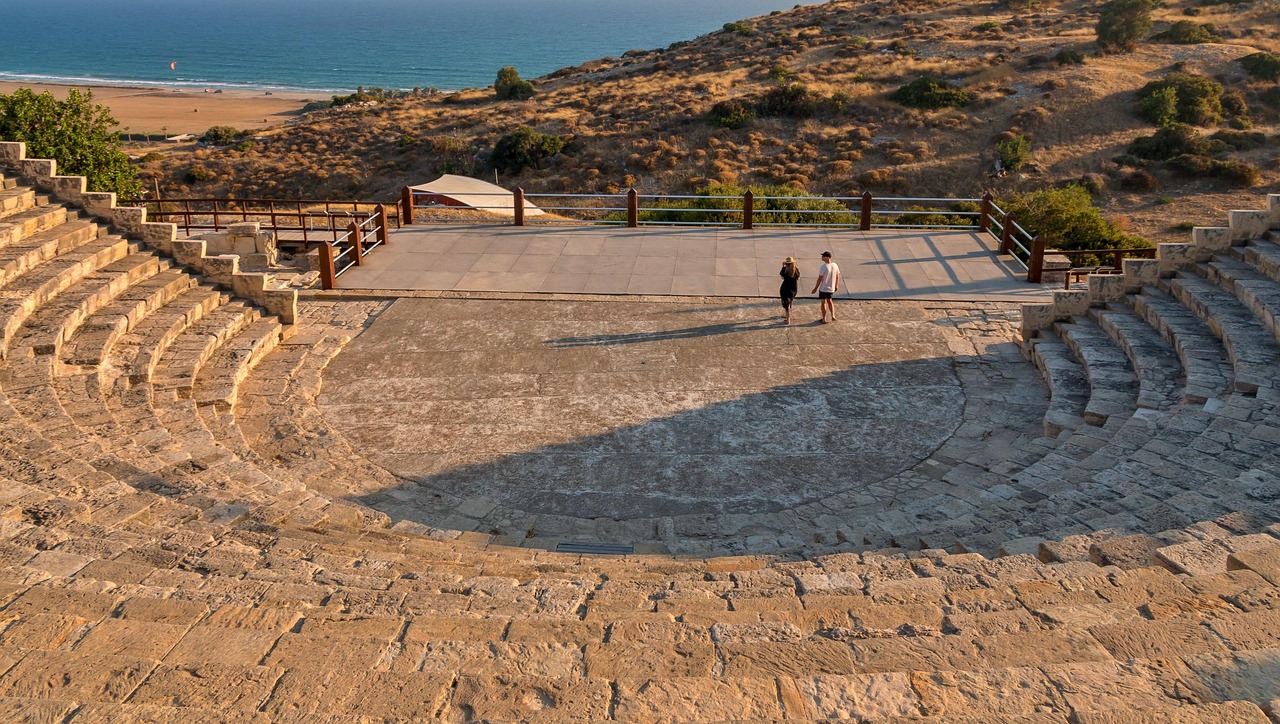
Cyprus may be a small island, but its history stretches back thousands of years, shaped by ancient civilizations, empires, and faiths that left a lasting mark on its landscape. Some of the most important reminders of this rich past are Cyprus’ UNESCO World Heritage Sites — places recognized not only for their beauty, but for their cultural, historical, and spiritual significance. These sites matter because they tell the story of Cyprus, preserve its identity, and connect the island to world history.
A World of History in a Small Space
UNESCO designation is granted only to places of exceptional universal value. For Cyprus, these sites highlight how the island has served as a crossroads of cultures for millennia. From ancient kingdoms to Byzantine spirituality, Cyprus’ UNESCO sites represent different chapters of its long and complex story.
They are not frozen monuments, but living reminders of how people once lived, worshipped, traded, and created — and in many cases, how those traditions continue today.
Paphos: A Window Into the Ancient World
The Archaeological Site of Paphos is perhaps the most well-known UNESCO site in Cyprus. Once the capital of the island during the Hellenistic and Roman periods, Paphos is home to remarkably preserved mosaics, ancient villas, theaters, and tombs.
These mosaics, depicting scenes from Greek mythology, are considered some of the finest in the Mediterranean. They matter not only for their artistic value, but for what they reveal about daily life, beliefs, and storytelling in ancient Cyprus. Walking through Paphos is like stepping into a living history book — one that shows the island’s deep connection to classical civilization.
Painted Churches of the Troodos Mountains
Scattered across the Troodos Mountains are ten Byzantine churches and monasteries, collectively listed as a UNESCO World Heritage Site. Dating from the 11th to the 17th centuries, these churches are renowned for their richly painted interiors, which have survived remarkably well over the centuries.
These frescoes offer insight into the religious devotion, artistic skill, and cultural influences of the time. They also demonstrate how faith shaped daily life in rural Cyprus. Beyond their artistic importance, these churches remain active places of worship, linking past and present in a deeply meaningful way.
Choirokoitia: A Glimpse Into Prehistoric Life
The Neolithic settlement of Choirokoitia provides one of the most important glimpses into early human life in the eastern Mediterranean. Dating back to around 7000 BC, this site reveals how some of the island’s earliest inhabitants lived, built homes, and formed communities.
Choirokoitia matters because it shows how organized human settlement developed long before written history. It reminds us that Cyprus has been home to innovation and community life since the dawn of civilization.
Why These Sites Matter Today
UNESCO sites in Cyprus matter not only for preserving the past, but for shaping the present and future. They promote cultural pride, education, and sustainable tourism. They ensure that development does not erase history, and that future generations can learn from what came before.
For visitors, these sites offer more than sightseeing — they offer understanding. For locals, they are a source of identity and continuity.
Cyprus’ UNESCO World Heritage Sites are not just historical landmarks; they are storytellers. They speak of faith, creativity, resilience, and human connection across centuries. By protecting and celebrating them, Cyprus honors its past while enriching its cultural future — reminding the world that even the smallest islands can hold stories of universal importance.