



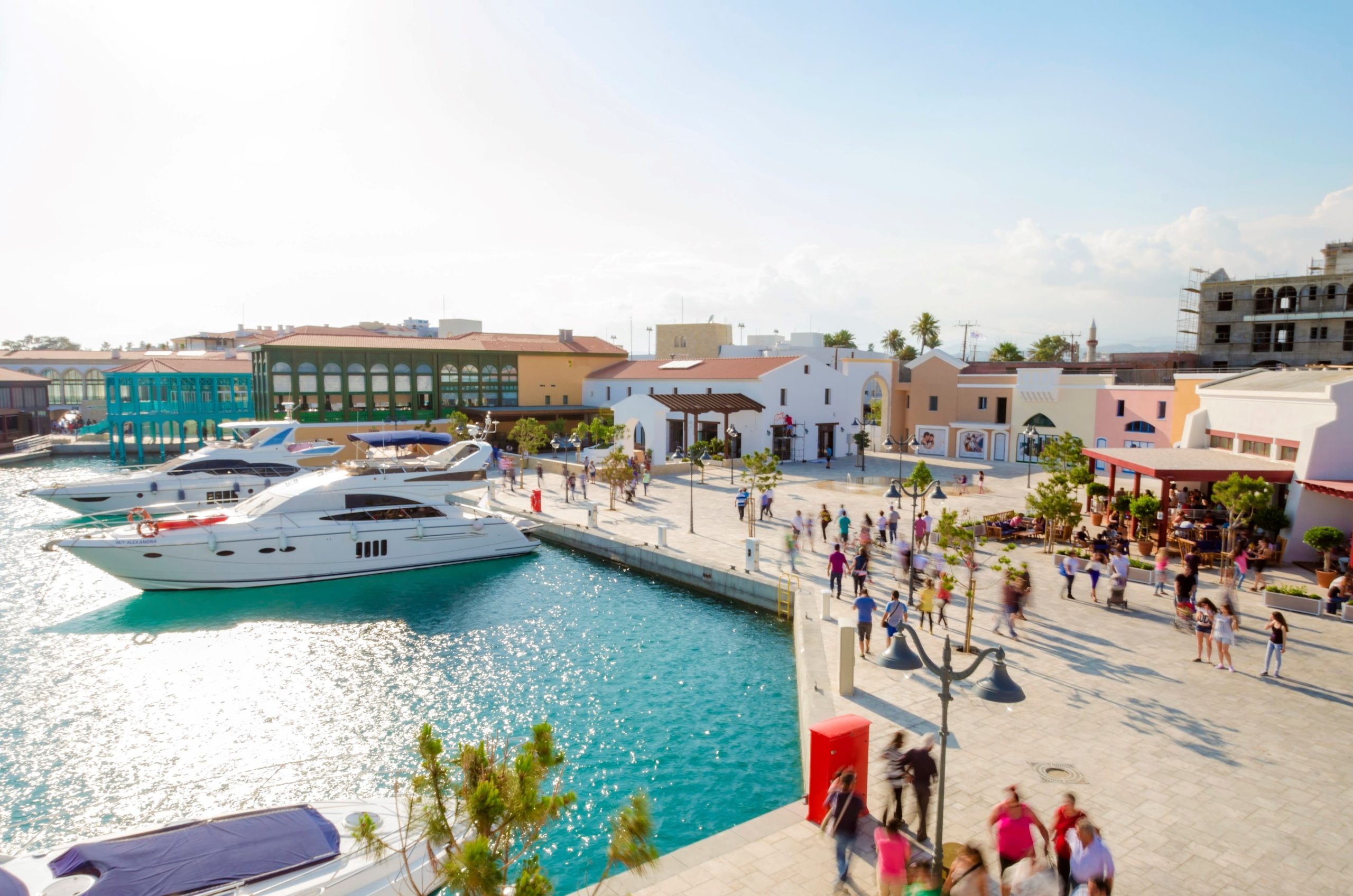
Cyprus offers a distinctive example of Mediterranean living—not as an abstract concept or lifestyle trend, but as a lived reality shaped by everyday routines, social relationships, and cultural continuity. While the island is often associated with its geography, its deeper identity is found in how people structure their daily lives and what that structure means for long-term wellbeing.
In Cyprus, wellbeing is not treated as something separate from life. It emerges naturally from how life is organised.
Daily Life and Social Structure in Cyprus
One of the most defining features of life in Cyprus is the central role of social connection. Daily routines are rarely individualised in the way seen in many modern urban societies. Instead, they are embedded in family and community networks that remain active throughout the day and across generations.
In urban centres such as Nicosia, it is common for work and personal life to remain closely intertwined with family structures. People may work in fast-paced professional environments during the day, yet still return to shared family meals or regular social gatherings in the evening. This continuity creates a rhythm where connection is not scheduled as an exception, but maintained as part of everyday structure.
The Mediterranean Rhythm of Time
The Cyprus way of living is also defined by its relationship with time. Daily life tends to be less fragmented and more continuous, allowing activities to unfold without constant interruption or strict segmentation.
Meals are a good example. Rather than being quick, functional breaks, they often serve as anchor points in the day. A typical meal may involve extended conversation, shared dishes, and a sense that time is being experienced collectively rather than individually.
This rhythm extends beyond the home. In many neighbourhoods and town centres, cafés and public spaces function as informal meeting points where people spend extended periods without urgency. The result is a slower emotional pace, even within modern schedules.
Movement as Part of Everyday Structure
Physical activity in Cyprus is often not framed as “exercise” in the formal sense. Instead, it is integrated into daily routines. Walking to meet friends, visiting local shops, or moving between nearby social spaces naturally contributes to a consistent level of activity.
In coastal and urban areas such as Limassol, this pattern is especially visible. The design of everyday life often allows for short distances, mixed-use spaces, and frequent outdoor interaction. Over time, this creates a baseline of movement that is steady rather than intensive.
Food Culture in Cyprus
Food in Cyprus is closely tied to identity and continuity. Meals are typically prepared with a focus on simplicity and seasonality, often drawing on long-standing culinary traditions passed through generations.
More importantly, eating is rarely isolated from social life. Meals are shared, not rushed, and often extend into conversation and interaction. This transforms food from a purely nutritional activity into a cultural and relational experience.
In this context, wellbeing is shaped not just by what is eaten, but by how eating is embedded in social connection.
Community Life and Social Stability in Cyprus
Another important aspect of Mediterranean lifestyle in Cyprus is the stability of community ties. Even as urbanisation and global influences increase, many social relationships remain long-term and locally rooted.
In cities like Nicosia, it is still common for people to maintain strong connections to extended family networks and long-standing friendships. Neighbourhood familiarity also plays a role in reinforcing social continuity, where repeated interactions create a sense of belonging over time.
This stability reduces the social fragmentation often associated with highly individualised urban environments.
Modern Life and Cultural Adaptation
Cyprus today is not static. It is a society in transition, shaped by international business, technology, tourism, and migration. Yet this modernisation has not erased traditional patterns of living.
Instead, Cyprus demonstrates a layered model of development. Professional life may be global and fast-moving, but personal life often remains grounded in local customs and social structures. This duality allows individuals to participate in modern economies while maintaining strong cultural continuity.
Why Cyprus Supports Healthy Living and Wellbeing
What makes living in Cyprus particularly interesting is that wellbeing is not treated as a goal to be actively pursued. Instead, it emerges from structure.
When meals are shared, movement is natural, time is less fragmented, and relationships are continuously maintained, wellbeing becomes a byproduct of how life is organised rather than an individual project.
This does not mean life is without challenges. Rather, it suggests that the underlying design of daily life can either amplify or reduce pressure, fragmentation, and isolation.
Cyprus Mediterranean Living as a Way of Life
Cyprus illustrates how Mediterranean living is not defined by aesthetics or nostalgia, but by lived patterns of behaviour that remain deeply embedded in society.
From the rhythm of daily meals to the continuity of social relationships, from walkable routines to layered modern identities, Cyprus shows how culture shapes wellbeing in subtle but powerful ways.
In the end, Cyprus Mediterranean living is not a lifestyle people adopt—it is a way of life they continue to live, adapt, and carry forward into the future.