



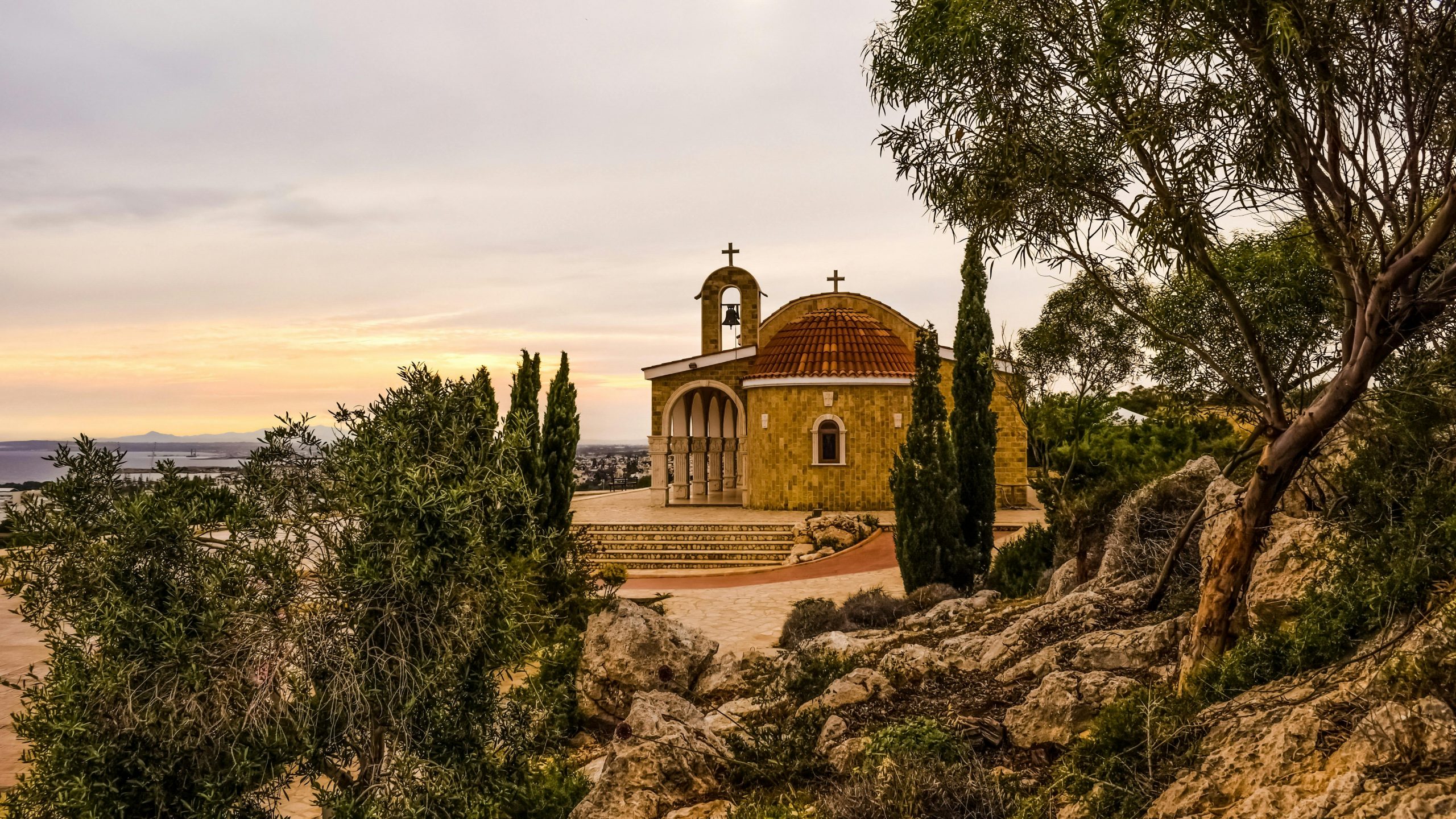
Cyprus is an island shaped by thousands of years of history—layer upon layer of culture, craftsmanship, and rituals passed through generations. From lace-making in Lefkara to copper work in the mountains, from village festivals to family-run farms, these traditions once formed the backbone of rural life. But like many places in the modern world, Cyprus today stands at a crossroads. Modernization, tourism, and migration are reshaping the island, enriching it in many ways while also placing pressure on the delicate threads that hold its cultural heritage together.
Understanding how these forces interact is essential not to mourn the past, but to reimagine a future where tradition and modern life coexist.
Modernization: New Rhythms in Old Spaces
Across Cyprus, modernization has brought undeniable benefits—better infrastructure, economic growth, digital connectivity, and vibrant urban centers. Villages that once felt isolated now enjoy easier access to services, education, and opportunities. Young people, once drawn to cities, are returning with fresh ideas and entrepreneurial spirit.
Yet modernization also has its complexities. Younger generations often find themselves drifting away from traditional crafts and rural occupations, not out of neglect but out of practicality. Skills like weaving, pottery, metalwork, and basket-making—once everyday necessities—now compete with digital-age careers. Some crafts risk disappearing as masters grow old without apprentices to replace them.
Still, hope remains. A new wave of artisans is rediscovering traditional techniques and combining them with contemporary design. Workshops, craft festivals, and social media have helped revive interest, giving ancient crafts a modern voice.
Tourism: A Blessing and a Balancing Act
Tourism has long been one of Cyprus’ economic pillars, bringing visitors who seek sun, sea, culture, and hospitality. For many villages, tourism offers a lifeline: local tavernas flourish, agrotourism accommodations restore abandoned homes, and small businesses find new customers.
But tourism also reshapes tradition. Village festivals once intimate and community-driven can become commercialized; traditional dishes may be altered to suit broader tastes; and local crafts sometimes turn into souvenirs rather than meaningful expressions of culture. Coastal areas see the fastest change—modern resorts, nightlife, and heavy development can overshadow older ways of life and put pressure on natural and cultural resources.
The challenge lies in balance: welcoming visitors while protecting the authenticity that makes rural Cyprus so special. Increasingly, communities are shifting toward sustainable and cultural tourism, inviting travelers not just to observe but to participate—learning crafts, cooking traditional recipes, or joining village celebrations in respectful, meaningful ways.
Migration: New Voices in the Cultural Landscape
Migration has quietly become one of the most transformative factors in modern Cyprus. Workers, students, families, and refugees have brought with them diverse cultures, languages, and traditions. In many towns, Cypriot life is now woven together with influences from Europe, the Middle East, Asia, and Africa.
This blending creates a richer cultural mosaic. New food, music, art, and perspectives are reshaping cities and fostering a sense of global identity. Some rural communities, revitalized by foreign residents seeking peaceful lifestyles, have found new life in abandoned homes and shuttered shops.
At the same time, migration poses questions of identity and continuity. As cultures interact, traditional Cypriot customs can wane if not actively practiced and passed down. The key is not separation, but cultural exchange—where Cypriots share their heritage, newcomers contribute theirs, and together they create a multicultural Cyprus rooted in respect.
Rural Life: Between Past and Future
Rural Cyprus embodies some of the island’s most cherished traditions: grape harvesting, olive picking, halloumi-making, village fairs, and tight-knit community bonds. But many villages face aging populations, economic challenges, and dwindling numbers of young residents.
Yet the story is not purely one of decline. Agrotourism has revived once-forgotten villages; digital technology allows remote work from mountain homes; and growing appreciation for slow living attracts people searching for authenticity. Farmers’ markets, eco-villages, and community workshops are reconnecting people with the land and its traditions.
Rural life is evolving—not disappearing.
Crafts, Culture & Identity: Holding On While Moving Forward
Traditional crafts are living expressions of Cypriot identity. Lefkaritiko lace, pottery from Foini, silver filigree, copperwork, woodworking, and woven baskets are not relics—they are stories shaped by human hands. Their survival depends on adaptation: teaching the younger generation, modernizing designs, and placing value on handcrafted quality in a world dominated by mass production.
Cultural traditions—from Easter rituals to village dances, from wedding customs to religious festivals—continue to thrive when communities embrace them with pride rather than obligation. Modern life may change the form, but the spirit remains strong.
A Heritage Worth Protecting
Cyprus is not losing its traditions; it is transforming them. Modernization brings innovation, tourism brings opportunity, and migration brings diversity. The challenge—and the beauty—lies in shaping a future where the island’s heritage is not overshadowed, but uplifted.
By supporting local craftspeople, visiting rural communities, engaging in authentic cultural experiences, and valuing handmade over disposable, we help ensure that Cyprus’ traditions remain vibrant.
Heritage is not something we preserve in glass. It is something we live, breathe, and pass on. And in Cyprus, that story is still very much being written.