



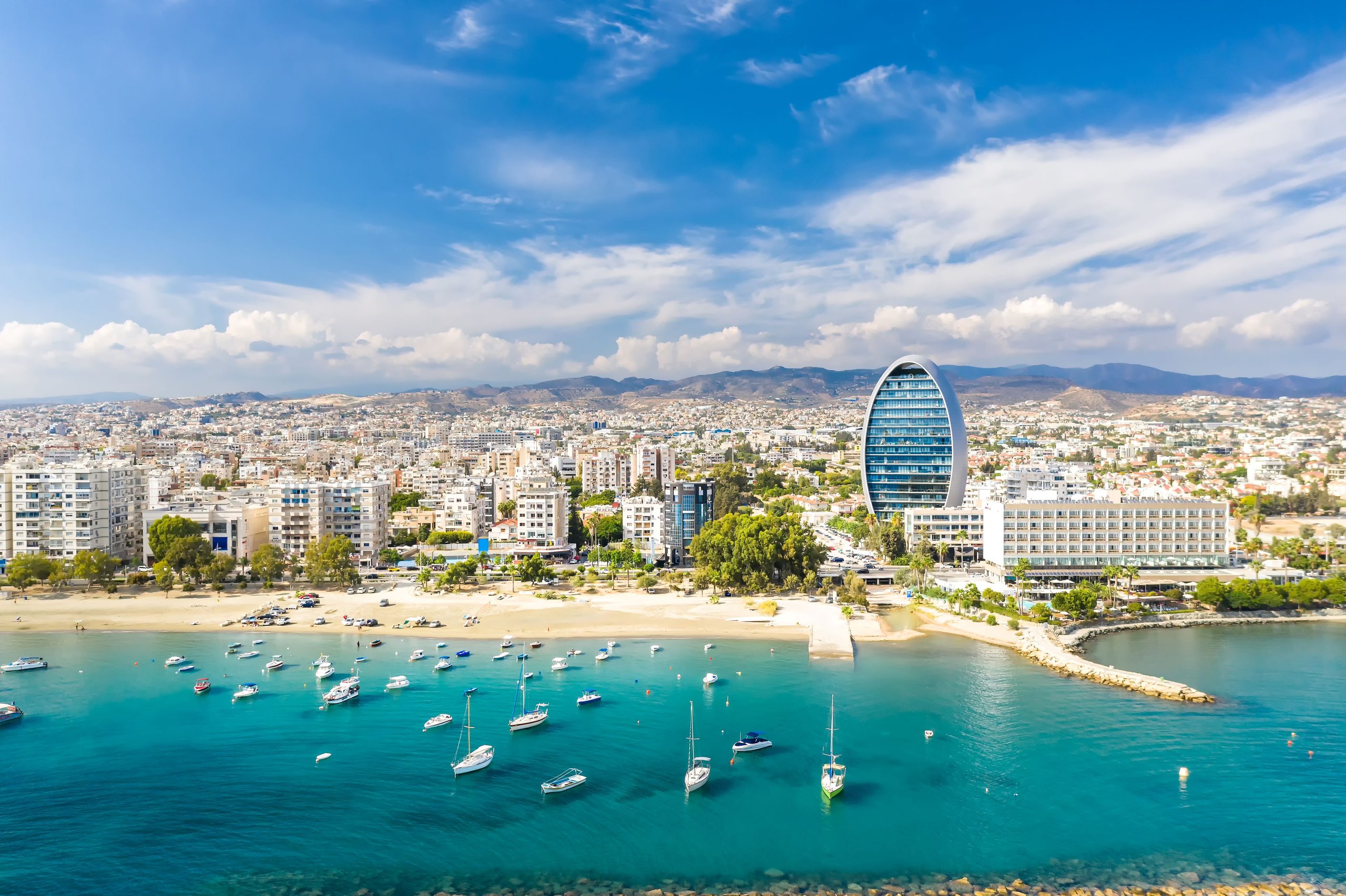
Cyprus is undergoing a clear economic shift. While the island is still strongly associated with tourism and coastal living, the real growth today is coming from technology, financial services, real estate, and international business activity. Cities like Limassol and Nicosia are at the center of this transformation, reflecting a shift toward a more modern, service-driven economy.
Technology & ICT Growth in Cyprus (Fastest Expanding Sector)
The technology and ICT sector in Cyprus is currently one of the fastest-growing parts of the economy, driven by digitalisation, remote work trends, and foreign investment in software and online services.
One clear example of this growth is the expansion of large-scale digital and gaming companies with operations in Nicosia, which highlights how Cyprus is becoming more integrated into global tech ecosystems.
This sector includes software development, fintech platforms, cybersecurity, and cloud-based services. It is also attracting highly skilled international professionals, which is slowly reshaping the local job market and business culture.
Financial Services & Corporate Sector Expansion
Financial and professional services remain a major pillar of economic growth in Cyprus, especially in international business hubs like Limassol.
The sector includes banking, accounting, legal services, auditing, and corporate structuring. Cyprus has become an attractive base for companies operating across Europe and beyond, thanks to its EU membership and established regulatory framework.
This has led to consistent growth in demand for business services, making finance-related industries one of the most stable and fast-expanding parts of the Cypriot economy.
Real Estate & Construction Boom in Cyprus
The island’s real estate market has experienced strong growth, particularly in coastal cities where international demand is highest.
A key example of this transformation is Ayia Napa Marina, a large-scale waterfront development that combines residential properties, tourism facilities, and luxury lifestyle infrastructure. It reflects a broader trend toward modern, mixed-use coastal developments.
In Limassol, this growth is even more visible, with high-rise buildings, luxury apartments, and seafront developments reshaping the skyline. This expansion is closely linked to foreign investment, expat relocation, and remote work migration.
Tourism & Hospitality Sector Evolution
Tourism remains one of the most important industries in Cyprus, but it is no longer purely seasonal. The sector is evolving toward year-round activity and higher-value tourism experiences.
Hotels, restaurants, and short-term rental markets are increasingly focused on long-stay visitors, digital nomads, and premium travelers rather than short summer holidays alone.
This shift is helping Cyprus diversify its tourism economy and reduce dependence on seasonal peaks, especially in coastal destinations like Limassol, Larnaca, and Ayia Napa.
Business Services & International Operations
Business and corporate services are also expanding steadily, driven by the increasing number of international companies operating in Cyprus.
This includes legal advisory, compliance services, tax consulting, and administrative support for cross-border businesses. As Cyprus continues to position itself as a European business gateway, demand for these services continues to grow.
This sector plays a crucial supporting role in enabling the expansion of finance, technology, and real estate industries across the island.
Cyprus Is Becoming a Multi-Sector Growth Economy
The fastest-growing industries in Cyprus are closely interconnected, with each sector reinforcing the others through investment, talent flow, and infrastructure demand. Technology drives innovation, financial services enable international business, real estate responds to global demand, tourism adapts to new travel patterns, and corporate services support everything behind the scenes.
Together, these sectors are transforming Cyprus into a modern Mediterranean economy where lifestyle, digital industries, and international business converge — particularly in dynamic urban centers like Limassol.